Come Michigan fall and winter, when temperatures drop into the negatives, the last thing any homeowner wants is to wake up to cold showers or frozen pipes. At Burton's Plumbing & Heating, we know how much your hot water system works overtime during these long, cold months—making proper care essential to avoid breakdowns, inefficiency, and costly repairs. Below are best practices to keep your water heater reliable all winter long.
1. Insulate the Tank & Pipework
Cold ambient temperatures in basements and crawl spaces will force your water heater to work harder to maintain temperature. Adding insulation to your hot water tank (a water heater blanket) and insulating exposed hot water pipes helps reduce heat loss. The less heat escaping, the less energy needed to reheat, helping your system run more efficiently and lowering utility bills.
2. Lower Thermostat Settings Sensibly
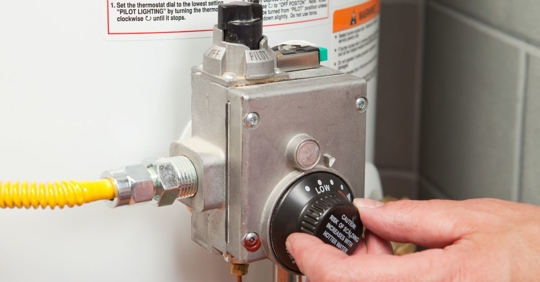
Many units are set too high by default. Dropping the thermostat to around 120°F is enough for most household needs and reduces how hard your heater needs to work. Not only does that save energy, but it also slows down wear and tear on the unit. In Michigan winters, you might be tempted to crank the heat—just remember that setting higher than needed wastes fuel.
3. Drain & Flush Regularly
Sediment buildup can be a silent efficiency killer. Minerals from the local water supply settle to the bottom of storage-type heaters, especially when the tank is used heavily. That layer of sediment forces the heater to use more energy and can cause rumbling noises or reduced hot water flow. At least once per year—ideally before the coldest part of winter—flush the tank to clear out sediments. If you hear odd sounds or see reduced output, flush sooner.
4. Check the Anode Rod & Other Components
Corrosion is accelerated when your water heater is pushed hard during cold months. The anode rod is a sacrificial component designed to prevent rust inside the tank. Inspect it annually; if it’s worn down (often less than ½-inch thick or heavily corroded), replace it. Also check for leaks, especially in the tank bottom, anode connections, valves, and fittings. Even a small leak wastes heat and water, and during Michigan freeze nights, leaking parts can ice over or freeze.
5. Maintain Proper Ventilation (for Gas/Propane Heaters)
If your heater uses gas or propane, venting ducts, flue pipes, or exhaust pathways must remain clear and properly sealed. Cold air infiltration, ice buildup on vents, or snow covering exhaust exits can lead to inefficient combustion, drafts, or dangerous carbon monoxide risks. Ensure nothing is obstructing the vent cap outside; inspect venting inside for leaks or loosened joints.
6. Consider Upgrading When the Time Comes
If your unit is more than 10-12 years old and shows frequent issues—slow recovery time, corroded pipes, rust colors in water, or inconsistent water temperature—it may be more cost-effective to replace rather than repair. Burton's Plumbing & Heating offers several water heater installation and replacement services, including conventional tanks and tankless models. Newer units tend to be more energy-efficient, have improved insulation, and offer longer warranties to match harsh winters.
When to Contact Burton's Plumbing & Heating
Michigan winters put a lot of stress on your plumbing, especially your water heater. Staying ahead with preventive maintenance—insulating, checking components, flushing the tank, and trusting sensible thermostat settings—can make the difference between steady hot water and a cold water emergency. If you ever feel unsure whether your heater is holding up, or suspect it might be aging past its prime, give Burton's Plumbing & Heating a call. We pride ourselves on helping Wayne County and surrounding Michigan homes stay warm, efficient, and worry-free all winter long.