You finally scheduled your new water heater, and now you are wondering what you actually need to do before we show up at your Wayne home. You want the job done in one visit, with as little disruption as possible, and you do not want any last minute surprises. A little bit of preparation on your end can make a big difference in how smoothly installation day goes.
Many homeowners assume a water heater replacement is just a quick swap and that the plumber handles everything. In reality, your home, your city’s rules, and even the layout of your basement or utility room all affect what happens that day. This guide walks through practical steps you can take before your appointment, along with what you can expect from us, so you feel ready instead of rushed.
We have been installing and replacing water heaters in Wayne and nearby communities since 1975, and we hold a Michigan Master Plumber's License (#8107902) and Mechanical License (#7109242). Our technicians work in homes across Canton, Westland, Livonia, Dearborn, Plymouth, and Taylor every week, so the tips here reflect how water heater installation really works in this area. Use this as your checklist for water heater installation prep in Wayne, then call Burton's Plumbing & Heating at (734) 292-4349 if you have questions about your specific setup.
Why Water Heater Installation Prep Matters in Wayne Homes
Preparing for a water heater installation helps the project go more smoothly and can reduce unnecessary delays. In many Wayne homes, water heaters are located in basements, utility rooms, or tight closets where storage has built up over time. Clearing the area before your appointment gives our technicians safe access to the unit, shutoff valves, and electrical or gas connections.
Preparation is also important because today's water heaters often have different safety and code requirements than older models. During a replacement, updates such as venting, gas connections, or expansion tanks may be needed to meet current standards. Having enough workspace allows these upgrades to be completed more efficiently.
Simple Ways to Prepare
- Clear boxes and stored items around the water heater
- Make sure shutoff valves and the electrical panel are accessible
- Keep pets and children away from the work area
- Share any known issues with your current water heater
- Ensure there is a clear path for removing the old unit and bringing in the new one
Our team arrives with the tools, materials, and experience needed to complete the installation safely and according to code. By preparing the area ahead of time, you help make the installation faster, safer, and less stressful from start to finish.
Clear Safe Access to Your Water Heater and Utility Shutoffs
One of the most helpful things you can do before your appointment is to make sure we can reach the water heater and the key shutoffs without climbing over anything. As a rule of thumb, try to clear at least 2 to 3 feet of open floor space in front of the heater and as much space as you reasonably can on the sides. That room gives us space to set tools, connect piping, and install components like the temperature and pressure relief line without bumping into storage.
Think about the path from your front door, side door, or garage entry to the heater location. In many Wayne and Westland homes, the heater sits in a basement reached by narrow stairs and a hallway that doubles as storage space. We move a heavy old tank out and a new one in, so clear boxes, totes, shoes, and furniture from those walkways. If we have to stop to move items, the visit takes longer and the chance of scuffing a wall or tripping increases.
We also need access to certain shutoffs and controls. These typically include the main water shutoff, the gas shutoff to the heater if you have a gas unit, and your electrical panel if the water heater is electric or uses an electric ignition system. You do not need to operate any valves or breakers yourself, but it helps if you know roughly where they are and clear a couple of feet of space around them. If you are not sure where a valve is, you can ask when you call to schedule and we can talk you through likely locations in homes like yours.
For gas water heaters, it is especially important to move anything flammable away from the burner area. Paint cans, gasoline containers, stacks of cardboard, and piles of laundry should all be relocated. Gas heaters need enough air around them to burn cleanly, and they have open flames inside the combustion chamber. When the area is cluttered, you increase the risk of poor combustion or ignition of nearby vapors. Clearing that space before we arrive lets our certified, safety checked technicians focus on proper venting and safety checks instead of reorganizing storage.
Make Room for Delivery, Removal, and Parking
Water heaters are bulky, heavy appliances, even when the tank is drained. A typical residential tank can be around 18 to 24 inches in diameter and over 4 feet tall, and it weighs a lot more than most furniture. To bring in the new unit and remove the old one safely, we need clear, stable routes from our truck to the installation area. The more direct and clutter free those routes are, the faster and safer the job goes.
On installation day, plan for where we can park. If your driveway is usually full, consider moving vehicles so we can park close to the entry we will use most. In many Wayne and Canton neighborhoods, street parking may be limited or time restricted. A spot that is close to your door makes it easier for us to move the heater, tools, and any additional materials. It also reduces the time we spend walking back and forth, which adds up over the course of a few hours.
Outside the home, check for anything that could make moving a heavy appliance difficult. In Michigan winters, snow and ice on steps, walkways, and driveways are common. Clearing and salting those areas before we arrive protects you, your property, and our team. If you have gates that are usually locked or difficult to open, make sure they are unlocked and can swing fully. Inside, look at tight corners or low overhangs where a tall tank has to be angled. If you already know of a particularly tight spot, mention it when you schedule so we can plan for it.
In most cases, we handle draining, removing, and hauling away the old water heater as part of the installation service. If there is anything unusual, such as a heater that was previously boxed into a closet or a basement access that is narrower than the heater itself, those situations can require extra time or creative solutions. Sharing those details when you book helps us bring what we need and set accurate expectations, in keeping with our focus on clear communication and caring for your home as if it were our own.
Understand Wayne Area Permits, Codes, and Inspections
Many cities in the Wayne area treat water heater replacement as more than a simple swap. Depending on where you live, your city may require a permit, an inspection, or both for a new water heater. Wayne, Westland, Livonia, Dearborn, and other surrounding communities each have their own rules and inspectors. From your side, this can feel confusing, especially if you have never replaced a water heater before.
Codes also evolve over time. A heater that was installed years ago may no longer meet current standards, even if it has operated without any apparent issue. When we install a new unit, we need to bring the installation up toward current code, not just copy whatever was there before. That can mean updating vent pipe sizes or materials, adding or relocating a shutoff valve, or installing an expansion tank in certain plumbing systems. These upgrades take extra materials and time, and in some cases they are required for the inspector to sign off.
As a fully licensed and insured company with both a Master Plumber's License (#8107902) and a Mechanical License (#7109242), we navigate those rules every day. When you call to schedule water heater installation prep in Wayne or nearby cities, we can let you know what your municipality typically requires and how we handle permits. In many cases, we can pull the permit for you or guide you through that process. Our job is to make sure the installation not only works properly but is also set up the way local inspectors expect to see it.
Homeowners are often surprised when a straightforward replacement triggers code updates they did not anticipate. We reduce those surprises by asking questions during scheduling about the existing heater’s type, age, venting, and location. The more we know ahead of time, the fewer unexpected items show up on installation day. That is part of why our technicians go through continuous education and why we maintain an A+ rating with the Better Business Bureau. We take the time to do the job carefully, which protects you long after the installation is finished.
Plan for Water Shutdown and Installation Timing
Even with great preparation, replacing a water heater is not a 30 minute task. In a typical Wayne home with decent access and no major code updates, you can usually expect the visit to take several hours from arrival to final testing. We need time to drain the old tank, disconnect piping and utilities, remove the unit, set the new heater, reconnect everything, fill the tank, bleed air from the lines, and test for safe operation and leaks.
During parts of this process, your water supply and, for gas units, the gas line to the heater are turned off. That does not always mean the entire house is without water the whole time, but you should plan as if you may have limited water for a portion of the visit. It usually makes sense to plan showers before the appointment window and to avoid starting laundry or a dishwasher load right before we arrive.
After the new heater is installed and filled, it still needs time to bring a full tank of water up to temperature. The exact time depends on the model, size, and energy source. A common gas tank typically heats faster than the electric equivalent, but either way, you should not expect full hot water the moment we finish our final checks. We let you know what is typical for your particular unit before we leave so you can plan that first shower or load of dishes.
Factors that can extend the visit include difficulty accessing the heater, stubborn old shutoff valves that do not close properly, corrosion on fittings that need extra work to disconnect, or code updates that require additional parts. Our technicians are trained on current technologies and follow a clear process, so they work efficiently, but they do not rush through safety or inspection related steps. We keep our pricing transparent, and we discuss any additional work with you before proceeding so there are no financial surprises tied to time on site.
Decide Ahead on Key Options and Upgrades
Some of the most important water heater decisions are best made before we carry a new tank into your basement. One of the first questions is whether you want to replace your current heater with the same size and type, or whether it might be time to adjust. If you have a 40 gallon gas tank now and your family constantly runs out of hot water, upsizing or considering a higher recovery rate unit may be worth discussing when you schedule.
In some Wayne area homes, homeowners are also curious about tankless or high efficiency options. These can offer benefits for certain households, but they often involve different venting, gas line capacity, or electrical requirements. That can change what prep looks like and what we need to evaluate during a site visit. Talking through your household’s hot water usage and your long term plans ahead of time helps us give you realistic options instead of rushed decisions on installation day.
Other common options include adding or upgrading an expansion tank where the plumbing system calls for one, replacing aging shutoff valves near the heater, or improving the discharge piping from the temperature and pressure relief valve. These are not extras for the sake of extras. In the right situation, they are part of building a durable, code compliant system that will serve your home for years. We focus on durable solutions and only recommend replacements or upgrades when we believe they are necessary or clearly beneficial.
If you like to see parts in person or learn more about what is being installed in your home, our Do It Yourself center is available as a resource. You can look at valves, expansion tanks, and other components and ask questions about what is appropriate for a homeowner to handle and what should always be left to a licensed technician. That way, when installation day comes, you already understand the choices and are not deciding under time pressure.
What to Expect From Us on Installation Day
When our crew arrives at your home in Wayne or a neighboring community, they start by confirming the plan with you. We review the work order, look at the existing heater, and walk the route in and out of the house. If we see anything that could affect the job, such as a very tight corner or a venting configuration that is not up to current standards, we discuss it before any work begins. Clear communication on the front end is part of how we respect your time and budget.
Next, we set up to work safely. That typically means laying down drop cloths where needed, using appropriate footwear, and positioning tools so they do not interfere with your household’s movement. We shut off water and the relevant utilities to the heater, then drain the old tank. Draining can take longer than many people expect, especially if sediment has built up, which is another reason installation is measured in hours, not minutes.
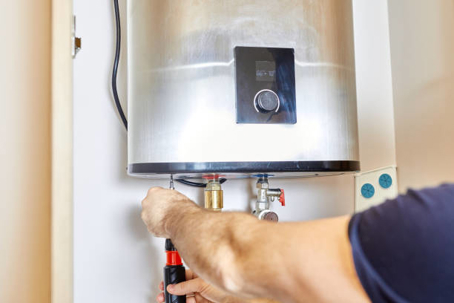
After the old tank is drained, we disconnect the water lines, venting, gas piping or electrical connections, and any other attached components. We move the old tank out of the house using the cleared path you prepared and bring the new unit in. We then position the new heater, level it, and reconnect all necessary lines with any required updates for current code. For gas units, we pay close attention to properly sized and sealed venting and perform gas leak checks. For electric units, we verify proper wiring and breaker sizing.
Once everything is connected, we fill the tank, bleed air from the hot water lines, and check every connection for leaks. We test the temperature and pressure relief valve, confirm that the burner or elements are operating correctly, and set the thermostat to an appropriate temperature. Before we leave, we walk you through the basics of the new heater, such as how to adjust the temperature, what noises are normal, and what documentation to keep. Throughout the visit, we treat your home the same way we would our own, which has been a core value of our family business since 1975.
After the Installation: Simple Checks and When to Call Us
In the first hours after your new water heater is installed, you may notice a few things that are completely normal. Air in the lines can cause sputtering when you first turn on a hot water tap, and water might appear slightly cloudy for a short time as air bubbles clear. In some cases, especially after draining older lines, you can see a small amount of discoloration that quickly runs clear. These effects usually settle down as the system stabilizes and the tank reaches full temperature.
There are also a few simple checks you can perform without touching any valves or controls. Glance at the area around the heater and look for any signs of moisture where connections were made. It is common for a fitting to have a slight film of moisture right after testing that then dries, but you should not see active dripping or pooling. Listen for any ongoing hissing or unusual banging that seems different from your old heater’s sounds. If the heater is equipped with a new expansion tank, you can visually confirm it is mounted securely.
We tell you what thermostat setting we leave the heater on and how to adjust it if your household prefers water slightly cooler or warmer within safe ranges. Keeping the temperature at a reasonable level helps with energy use and safety. If at any point you have questions or something simply does not seem right, call us. It is better to ask early than to worry about whether what you are seeing is normal.
In rare cases, an urgent issue can appear after installation, such as a significant leak or a problem with gas or electrical service. Because we offer emergency services for urgent plumbing and heating issues, you can reach us quickly if anything like that occurs. Our goal is not just to install the heater but to make sure it continues to serve your home reliably. We stand behind our work and are available to address concerns so you do not feel left on your own after the truck pulls away.
Get Ready for a Smooth Water Heater Installation in Wayne
With a bit of focused preparation and a licensed, experienced installation team, most Wayne area homeowners can expect their new water heater to go in during a single, well planned visit. Clearing space, planning for access, understanding how local permits and codes come into play, and thinking through your options ahead of time all reduce stress on installation day. In return, you get a safer, more reliable hot water system that is set up to serve your home for years.
Every house and every city in our service area is a little different, from older basements in Wayne to newer utility rooms in Canton or Livonia. If you are not sure how these guidelines apply to your home, or you want to confirm what your city requires, we can walk through it with you when you call. Use this guide as your checklist, then reach out to schedule your installation or ask any questions about preparing your home.
Call (734) 292-4349 to talk with Burton's Plumbing & Heating about water heater installation prep in Wayne and the surrounding communities.