Why Winterizing Your Plumbing Is Essential in Michigan
Michigan winters are known for freezing temperatures, heavy snowfall, and extended cold snaps. When temperatures drop below freezing, your home’s plumbing system becomes vulnerable to frozen pipes, leaks, and even bursting pipes. These issues can lead to costly water damage, emergency repairs, and major disruption to your home.
Winterizing your plumbing before the cold weather arrives is one of the most effective ways to protect your home and avoid unexpected plumbing failures.
Step 1: Insulate Exposed Pipes
One of the first and most important steps in winterizing your plumbing is insulating any exposed pipes. Pipes located in unheated areas such as basements, crawl spaces, attics, garages, and exterior walls are most at risk of freezing.
Pipe insulation sleeves or foam wraps help maintain a consistent temperature around the pipes, reducing the chance of freezing. Even small sections of exposed piping can become a problem during extreme cold, so it’s important to check your entire home.
Step 2: Disconnect and Drain Outdoor Hoses
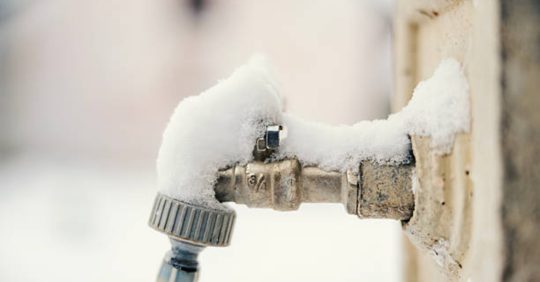
Outdoor faucets and hoses are especially vulnerable during Michigan winters. Any water left inside a hose or exterior faucet can freeze, expand, and cause damage to both the hose and the connected plumbing.
Before temperatures drop, disconnect all garden hoses, drain them completely, and store them indoors. Shut off water supply lines to exterior faucets if possible, and drain any remaining water from outdoor spigots.
Installing insulated faucet covers can provide additional protection during the winter months.
Step 3: Seal Air Leaks Near Pipes
Cold air entering your home through gaps and cracks can quickly lower the temperature around your plumbing. This increases the risk of frozen pipes, especially in areas where plumbing runs along exterior walls.
Check for drafts near pipes and seal any openings with caulk or insulation. Pay close attention to areas around windows, doors, and where plumbing enters the home. Keeping cold air out helps maintain a safer temperature for your pipes.
Step 4: Keep Indoor Temperatures Consistent
During extreme cold weather, it may be tempting to lower your thermostat to save on heating costs. However, maintaining a consistent indoor temperature is important for protecting your plumbing system.
Even when you are away from home, avoid setting the thermostat too low. Keeping your home warm helps prevent pipes from freezing, especially during overnight temperature drops.
Step 5: Let Faucets Drip During Extreme Cold
When temperatures drop significantly, allowing faucets to drip slightly can help keep water moving through the pipes. Moving water is less likely to freeze, reducing pressure buildup inside the plumbing system.
Focus on faucets connected to pipes located along exterior walls or in colder areas of the home.
Step 6: Schedule a Professional Plumbing Inspection
A professional plumbing inspection is one of the best ways to ensure your home is fully prepared for winter. A licensed plumber can identify vulnerable pipes, check for leaks, evaluate insulation, and recommend preventative measures specific to your home’s plumbing system.
Catching potential issues before winter sets in can save you from expensive emergency repairs later.
Contact Burton's Plumbing & Heating for Professional Winter Plumbing Services
If you want to protect your home from frozen pipes and winter plumbing emergencies, the team at Burton's Plumbing & Heating is here to help. We provide professional plumbing inspections, repairs, and winterization services designed to keep your system safe during Michigan’s harshest weather. Contact Burton's Plumbing & Heating today at (734) 292-4349 to schedule your plumbing service appointment.